+86-0769-88028028-6681
 English
 中文

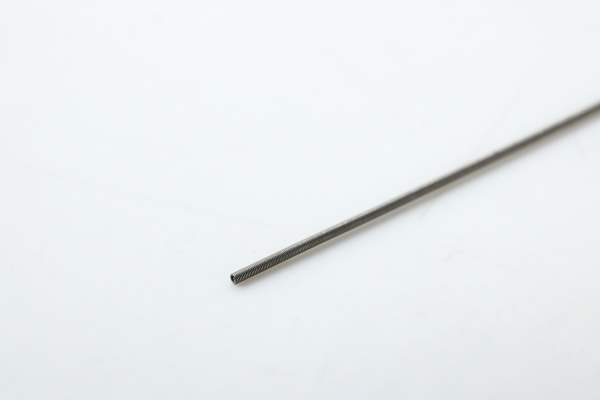
Custom compression, extension and torsion springs from 0.06 mm to 8.00 mm, coiled on 100+ CNC machines with in-house stress relief, plating and load testing.
Cailong has 56 years of experience and 650 machines
IATF 16949:2016 · ISO 9001:2015 · ISO 14001:2015 · ISO 13485:2016 · BSCI
Wire 0.06–8.00 mm · Load tolerance ±5% · Free length ±0.5 mm · 100+ CNC coilers
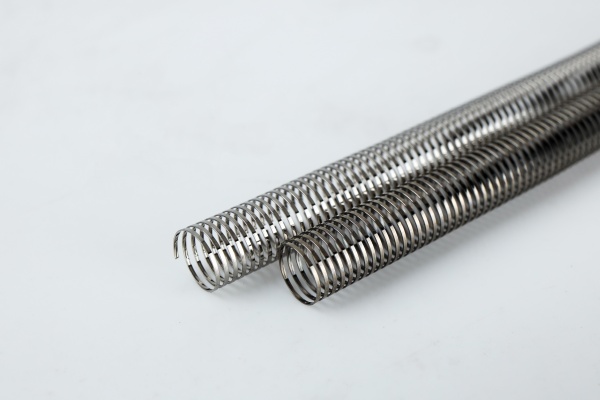
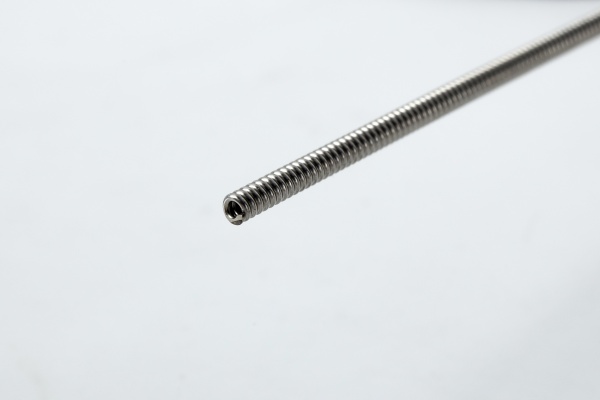
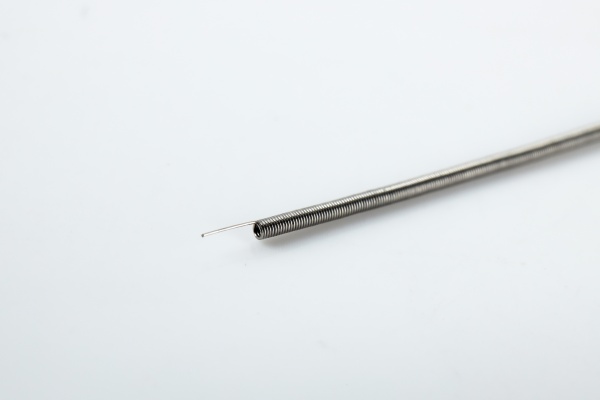
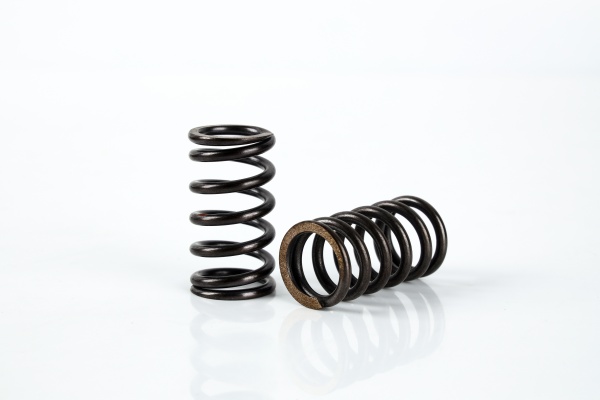
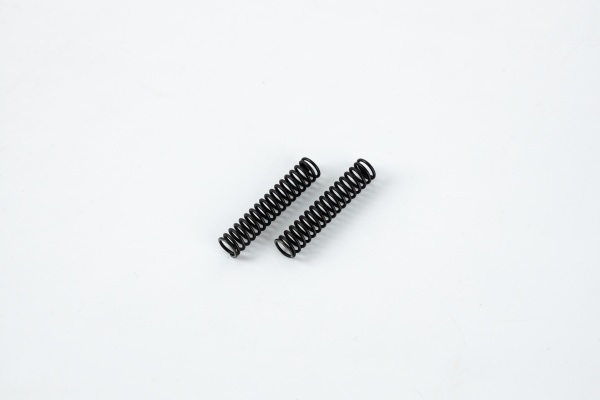
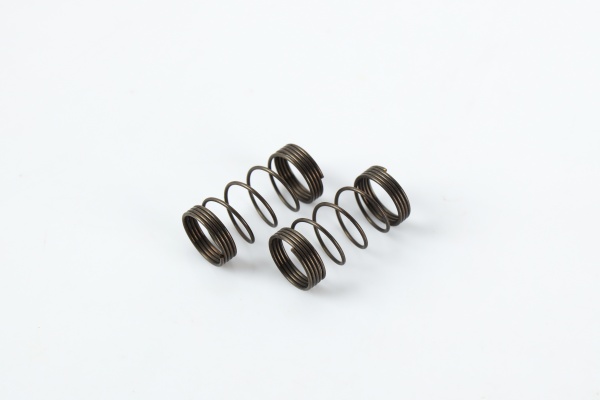
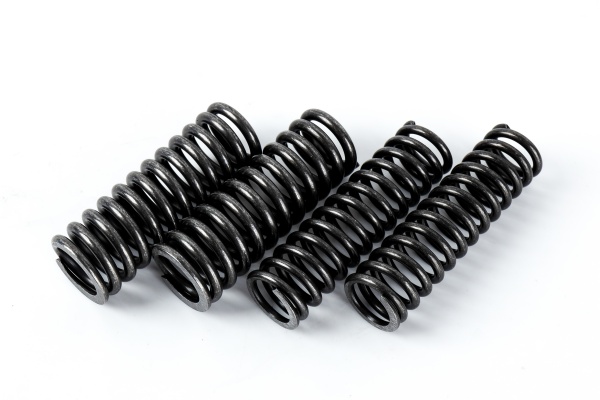
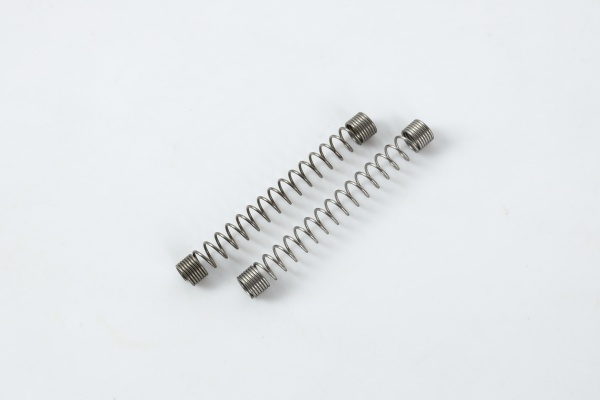
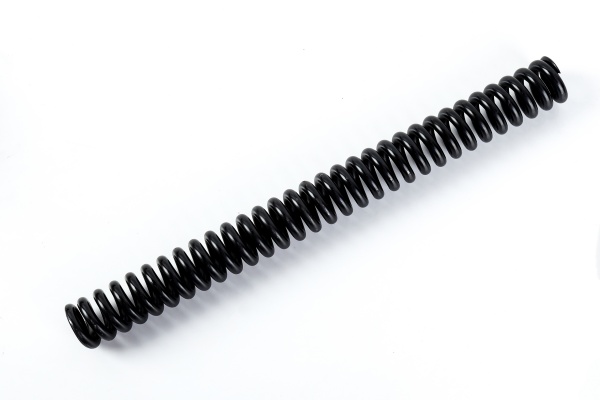
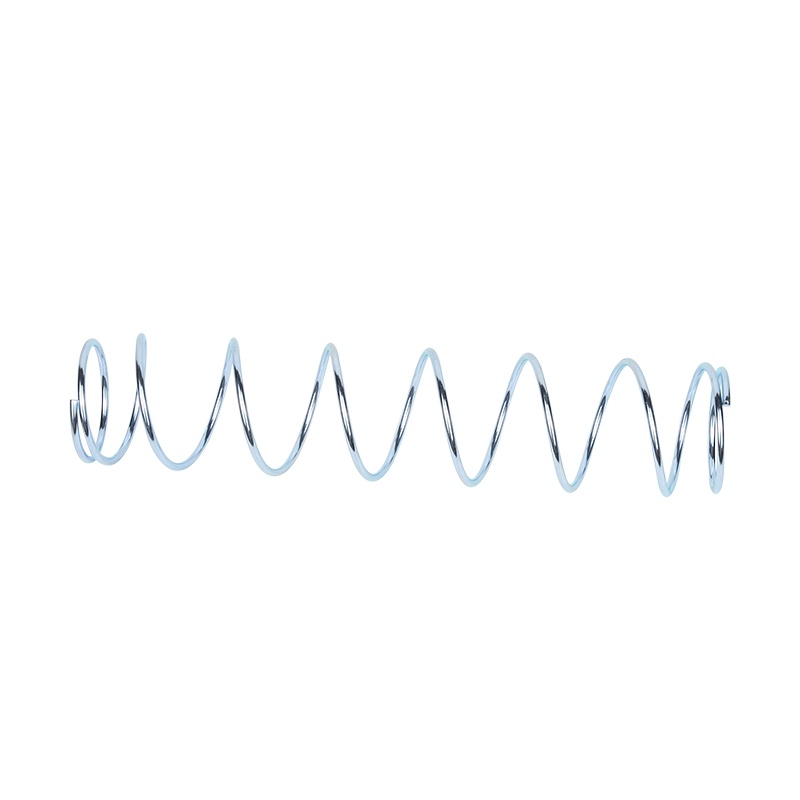
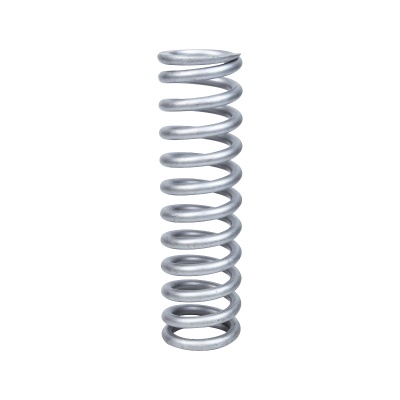
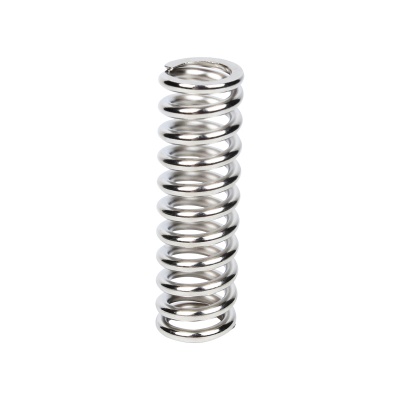
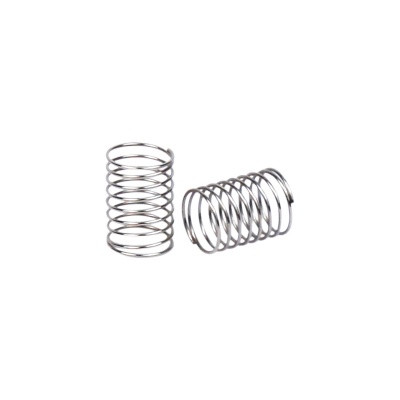
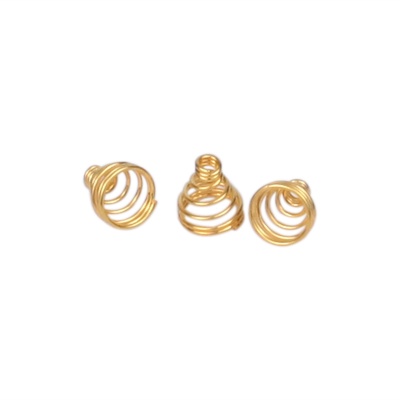
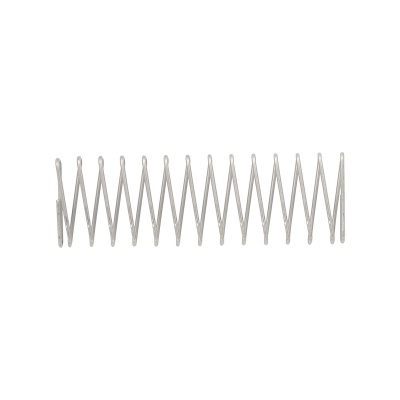
Compression springs - straight, conical, barrel and hourglass forms, with closed or open ends, ground or unground.
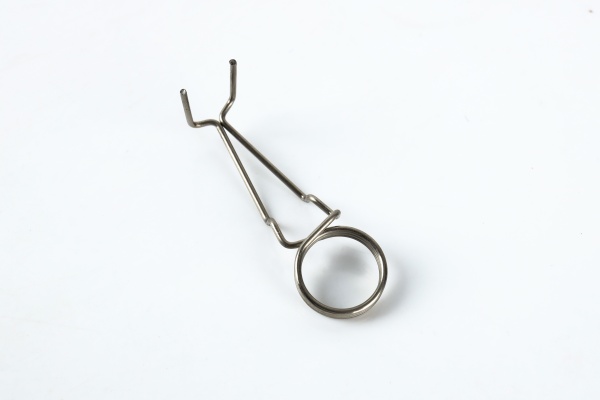
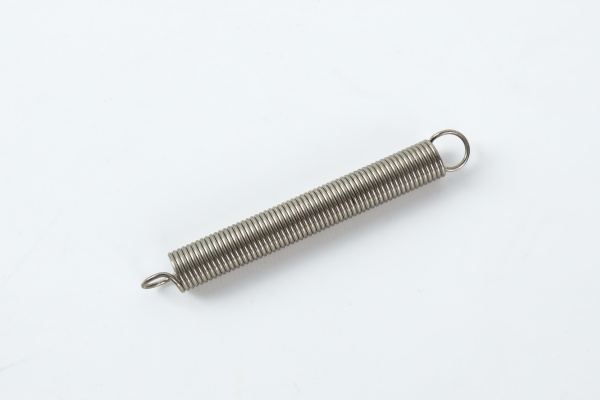
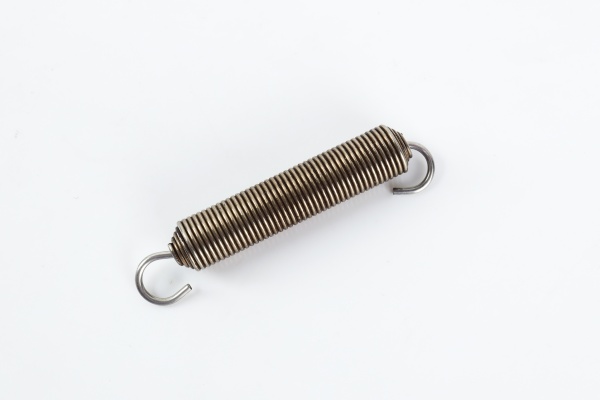
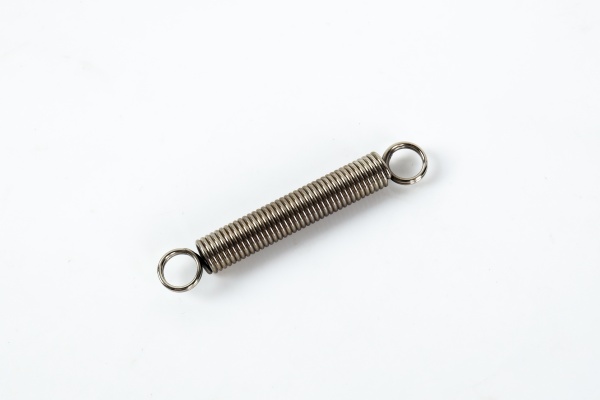
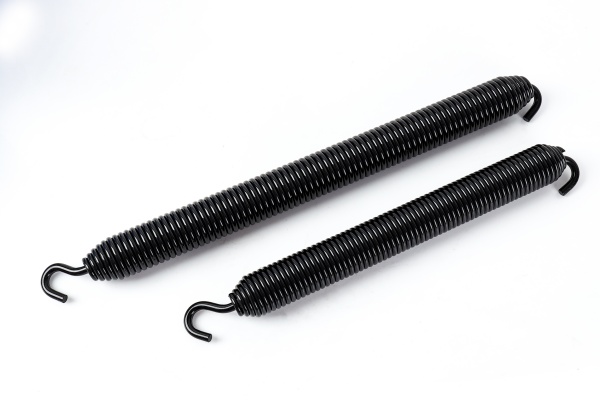
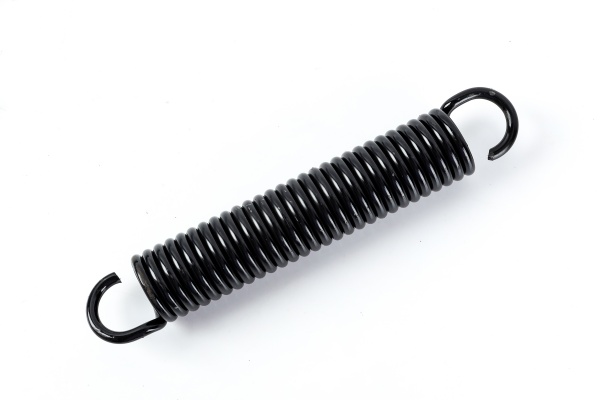
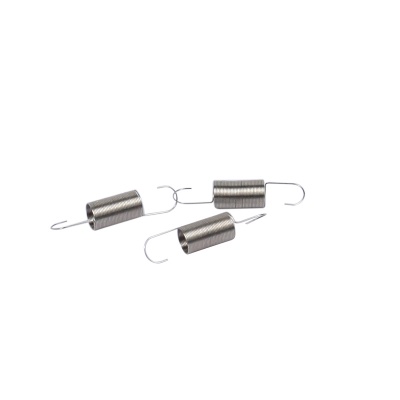
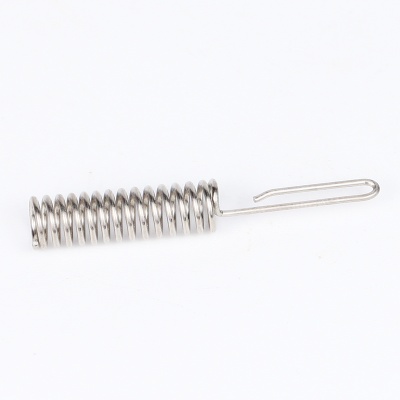
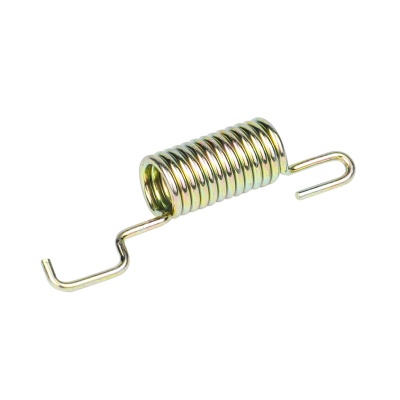
Extension springs - full or half hooks, side loops, English loops; initial tension measured and reported.
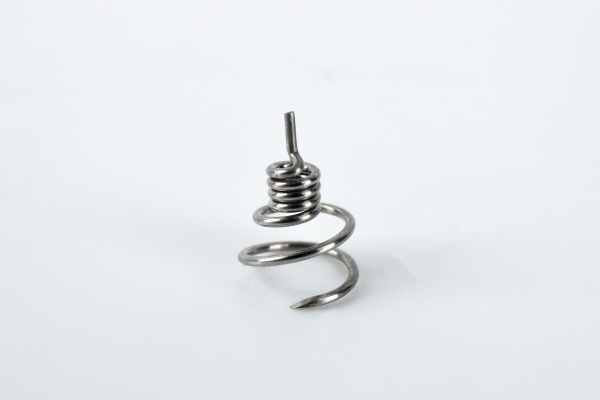
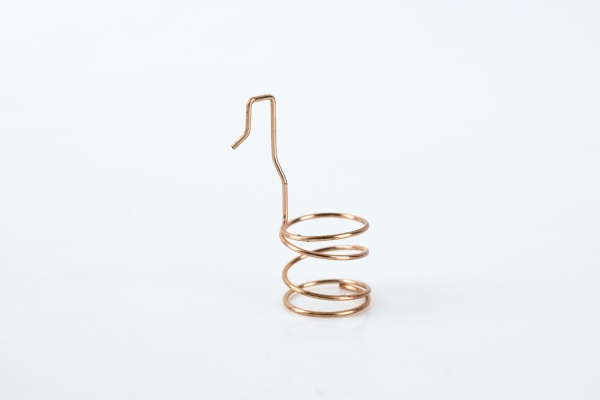
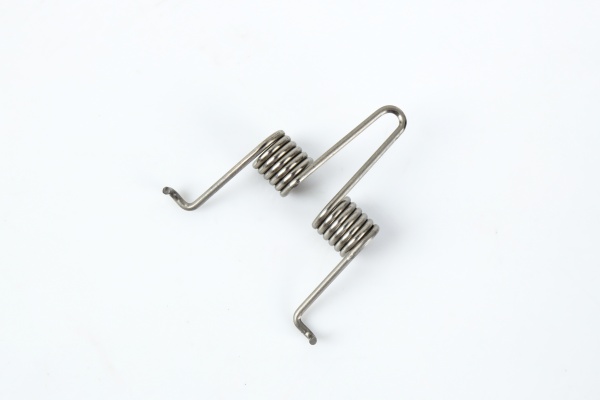
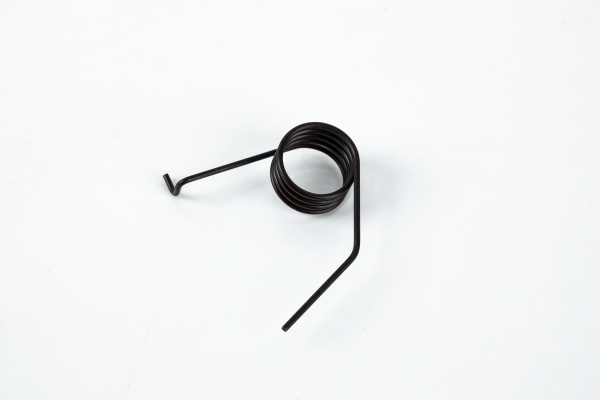
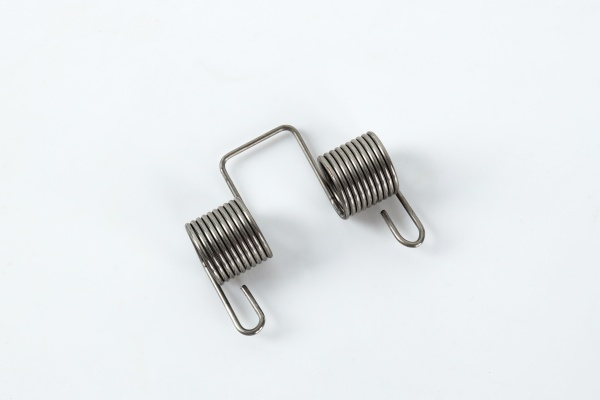
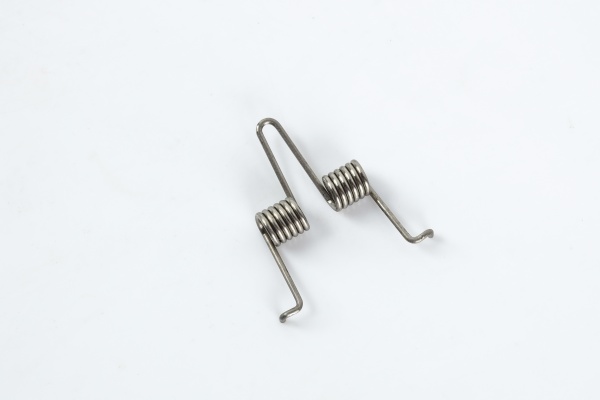
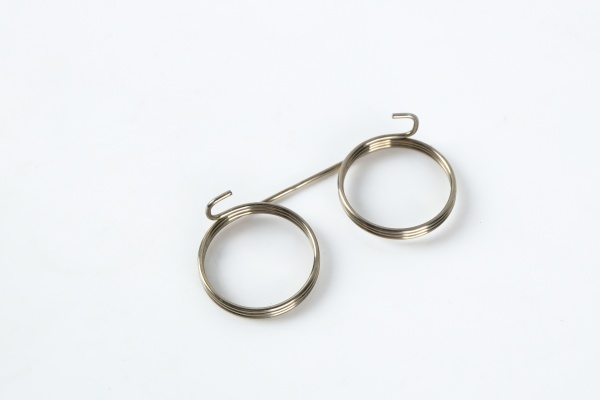
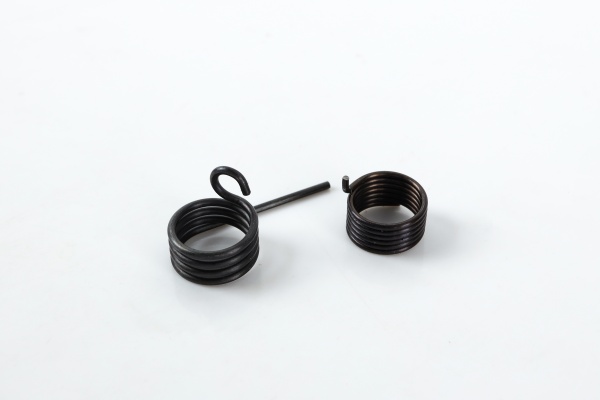
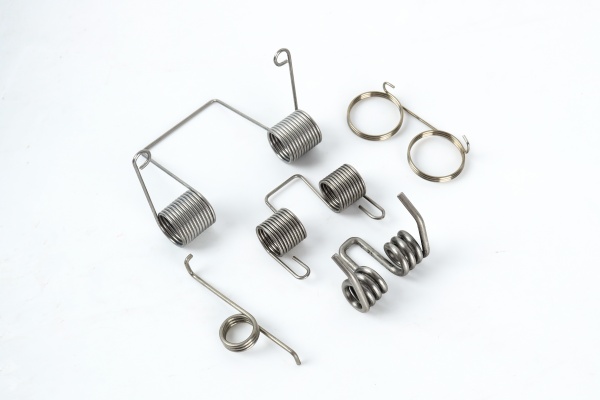
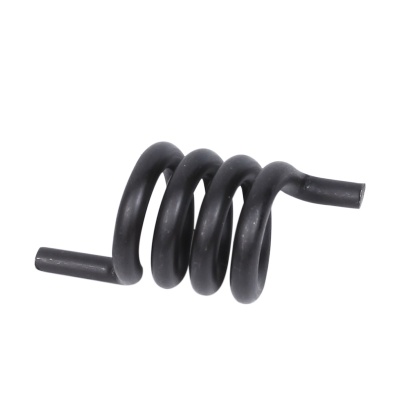
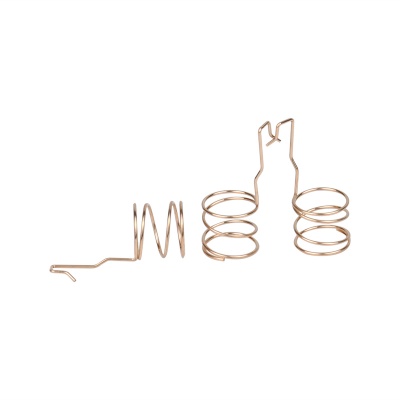
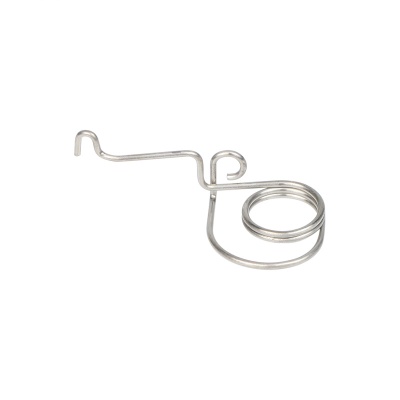
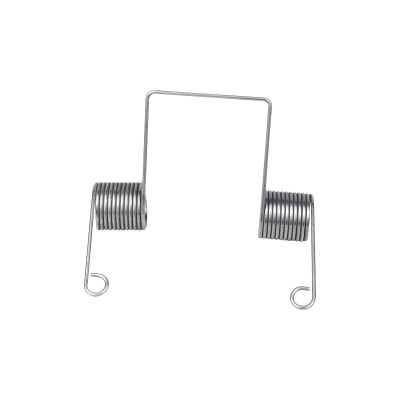
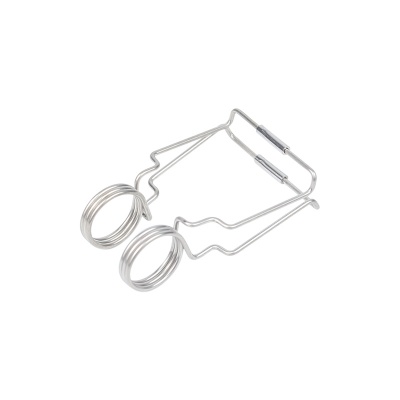
Torsion springs - single and double body, with straight, bent or hooked legs.
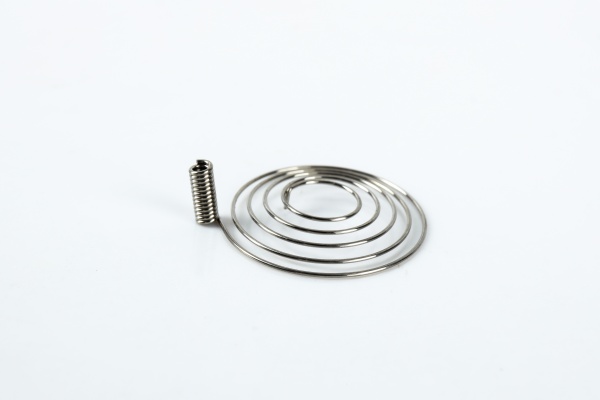
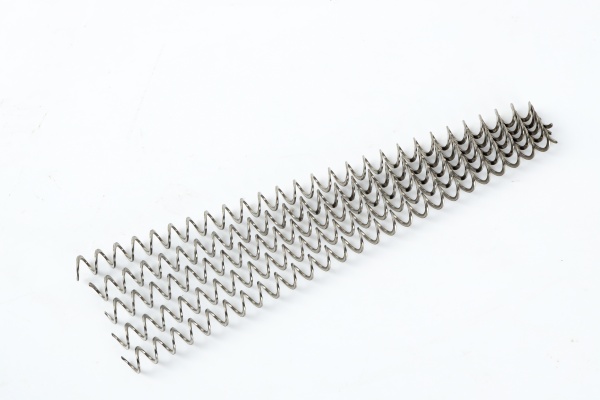
Flat and rectangular wire springs - for high energy density in a short envelope.
| Material | Typical use | Notes |
| Music wire (A228) | High-cycle, dry environment | Highest strength per diameter |
| Oil-tempered / hard-drawn | Cost-first, larger diameters | Needs plating outdoors |
| 302 / 304 stainless | Food, medical, outdoor | No coating to damage |
| 316 stainless | Marine, chlorides, saline sterilisation | Molybdenum for pitting resistance |
| 17-7PH | High temperature, high load | Strength to ~340°C |
Wire diameter: per ASTM tolerance class
Free length: ±0.5 mm typical, tighter on request
Load at length: ±5% typical
End squareness: within 3°
Fatigue: cycle testing to your target, typically 100,000 to 2,000,000 cycles
Corrosion: salt spray per ASTM B117, 48 h or 96 h depending on finish
Keep the spring index (mean diameter / wire diameter) between 4 and 12. Below 4 the spring is hard to coil and stress concentrates; above 12 it buckles.
Leave at least 15% travel between working length and solid height for compression springs.
Specify the load at a working length, not only the free length - the load is what the mechanism actually needs.
For extension springs, state whether initial tension is required; it changes the hook geometry.
Tell us the environment (humidity, wash-down, chlorides, temperature) so the wire grade is right the first time.
Automotive seat and latch mechanisms, medical device actuators, appliance door hinges, power tool triggers, lock assemblies, dispensing valves and industrial equipment. For medical and automotive programmes we work under IATF 16949 and ISO 13485 process control, with PPAP and first-article documentation available.
Send a 2D drawing or a 3D model plus the cycle count, working environment and annual volume. We will come back with a material recommendation, a tolerance review and a first-article quote - usually within 24 hours.
Browse our custom compression springs, custom torsion springs, custom extension springs, ISO 13485 medical device springs, and spring material selection guide.


Cold formed springs are generally stress relieved and annealed to eliminate internal spring stress and stabilize the spring size.
The outer diameter of carbon steel springs shrinks after heat treatment, while stainless steel springs become larger after heat treatment.
The spring is designed for working stresses that are less than the allowable stresses in the material, which will result in a better spring life.
Generally treated by condensation or pressure treatment processes.
Generally made of carbon or stainless steel with pre-nickel plating.